You Deserve Better: No more juggling WhatsApp, emails, and paper forms

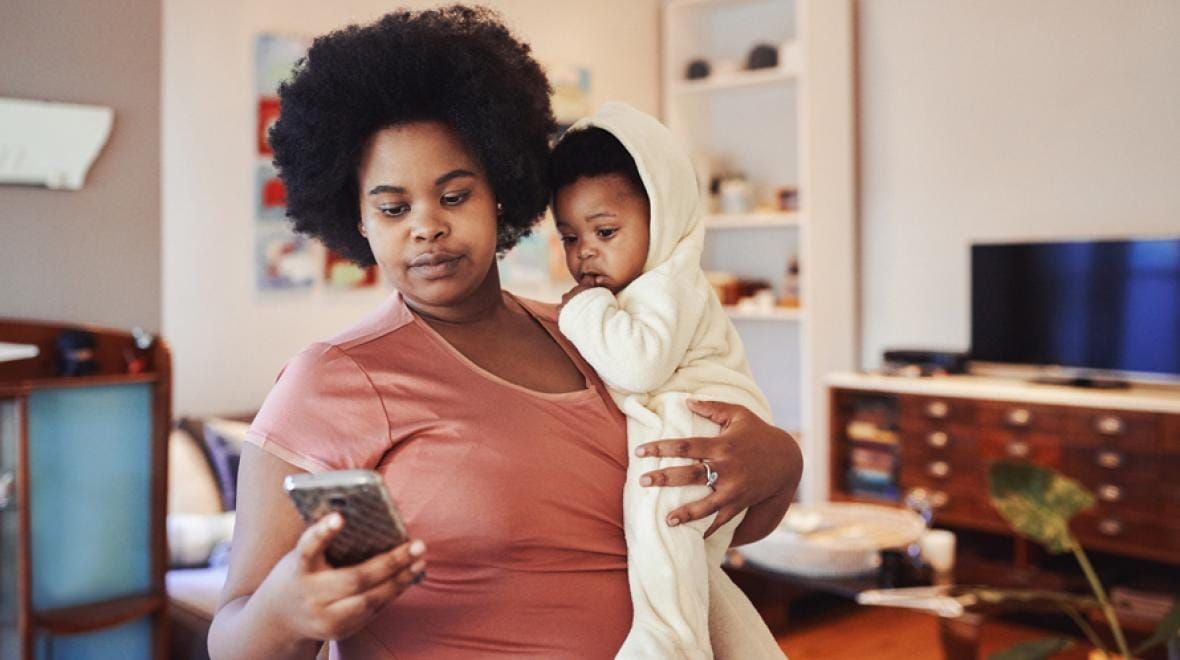
Modern parenting comes with enough mental load already.
Between work commitments, family responsibilities, and everyday life, parents are constantly managing schedules, appointments, deadlines, and countless small details. When their child starts preschool, a new category of information enters the picture: daily updates, attendance records, invoices, event reminders, health declarations, permission forms, classroom photos, and teacher communications.
The challenge isn't that schools aren't communicating. In fact, most schools do communicate a lot. The challenge is that information often arrives through multiple channels. A reminder might come through WhatsApp. An invoice might be sent by email. A form might be handed out physically, passed to the child with a verbal message to hand it to their parents. Classroom updates could be shared somewhere else entirely.
Over time, parents find themselves asking the same questions:
I remember seeing an announcement - where was that sent again? Did I already submit that form? When is the payment due again? Did the teacher receive my message, and have they seen it?
These may seem like small inconveniences, but they create unnecessary friction in what should be a positive partnership between schools and families.
More importantly, when information is spread across different places, parents lose visibility into their child's school experience. As parents, we don't just want information. We want confidence that we have not missed anything important. We want to know that f we submitted a medication request, it has been received. If there is an upcoming event, we can easily find the details without scrolling through months of messages. This is why more schools are moving towards a single parent communication platform.
At LittleLives, we built LittleFamilyRoom around a simple idea: parents should have one place where they can access everything related to their child. Instead of switching between different apps, message threads, emails, and paper documents, parents can access attendance records, daily reports, photos, announcements, invoices, forms, health updates, and communication with teachers through a single platform.
The goal is not simply to digitise existing processes. The goal is to create a better experience for families.
When everything is organised in one place, parents spend less time searching for information and more time engaging with it. They can follow their child's learning journey more closely, stay informed about important updates, and communicate with the school more confidently.
For schools, the benefits extend beyond efficiency.
When parents have easy access to information, communication becomes clearer and more transparent. Administrative teams spend less time responding to repetitive questions. Teachers can focus more on meaningful interactions with children rather than chasing paperwork or resending information.
Most importantly, trust becomes easier to build.
Trust is rarely built through a single interaction. It is built through small moments that happen consistently over time. A parent receiving an update when their child has settled into class. Seeing a photo from an activity they would otherwise never witness. Having a question answered quickly by a teacher. Knowing that important information has been received and acknowledged.
This is where LittleFamilyRoom plays an important role in strengthening the connection between home and school.
Through the app, parents can communicate directly with teachers instead of relying on scattered communication channels. Questions, updates, and concerns can be shared within the same platform where all of their child's information already lives, making conversations easier to track and follow up on.
Parents also receive regular photo updates throughout the day, giving them a window into their child's school experience. For many families, these moments become one of the most valued parts of the platform. A simple photo of a child painting, building with blocks, participating in circle time, or playing with friends can provide reassurance that no written update can fully replicate.
For working parents especially, these updates help bridge the gap between home and school. Instead of wondering how the day is going, they can see glimpses of their child's learning, friendships, and daily experiences as they unfold.
The result is more than convenience. It is peace of mind.
Parents feel more connected to their child's day, and heard by the schools they placed their trust in. Teachers spend less time responding to repetitive questions because families already have visibility into what is happening in the classroom. Schools are able to maintain stronger relationships with families through consistent, transparent communication.
At its best, a parent app should not feel like another piece of technology to manage. It should feel like a window into a child's day and a bridge between home and school.
That is what LittleFamilyRoom was designed to be.
Because parents should not have to remember whether something was sent through WhatsApp, email, or a piece of paper tucked into a school bag. They should have a single place where they can stay informed, stay connected, and feel confident that they are never far from their child's learning journey.
Interested in bringing LittleFamilyRoom to your child's school? Share this article with your school and invite them to learn more about how LittleLives can simplify communication for both educators and families. Contact us at sales@littlelives.com to start the conversation.