Here’s What Changed at Kitakids: From Paperwork to Peace of Mind

When people talk about growth in a school, it usually sounds like a good problem to have. More students. More classes. More demand. And it’s a good problem.
But from where I stand as the Head of Education at Kitakids, growth doesn’t just show up as bigger numbers. It shows up in the everyday work - in the forms we handle, the updates we track, the conversations we have to remember. Because at some point, growth doesn’t just test how much you can handle. It starts to test how your school actually runs.
At Kitakids, enrolment has always followed a rhythm.
The beginning and end of the year are usually the busiest. That’s when enquiries increase, parents are more actively exploring options, and new students start coming in. Mid-year tends to be quieter, giving us a bit of breathing room.
But during those peak periods, the workload builds up quickly. Before we used a system, everything was handled manually. Physical forms, printed documents, handwritten records. Every step depended on someone completing it, checking it, and passing it on. It worked, but only to a certain extent. Once the number of students increased, it became harder to keep everything moving smoothly.
Our Reality Behind Manual Enrolment
On paper, enrolling a student sounds straightforward. But in practice, it involved multiple steps: filling in forms, verifying details, filing documents, and making sure everything was complete before moving forward.
Our teachers weren’t just focused on the classroom. There were moments where they also had to keep track of student information, notes, or updates that came in from parents.
And because everything was manual, there were always small gaps. Missing forms. An incomplete detail. A document that needed to be re-sent. Individually, these things seem minor. But when they happen repeatedly, they slow everything down. I remember thinking, “Why are we spending so much time just trying to complete something that should be simple?”
The most challenging moments were always during peak enrolment. That’s when everything happens at once - more students coming in, more documents to manage, more coordination between admin, teachers, and parents. Information didn’t always come in one place. Sometimes it was passed verbally, sometimes through documents, sometimes through messages. And there were moments where I had to double-check things just to be sure I had the correct information.
There was always that small concern at the back of my mind: “Did I miss something?” Not because the team wasn’t careful, but because the process itself made it easy for things to slip through.
As Kitakids expanded, the difference became more obvious. More students meant more records. More records meant more coordination. And more coordination meant more chances for delays or mistakes. At some point, it started to feel like we were spending too much time managing processes, instead of focusing on the students themselves. That was when the school began to look for a better way to manage everything.
Adjusting to a New Way of Working
Switching to a system wasn’t something that happened without hesitation. From a teacher’s perspective, there was some uncertainty at the start. Learning something new always takes time, and we wanted to make sure it wouldn’t disrupt our daily routines. But once we started using LittleLives, the difference became clearer.
The first noticeable change was how information was handled. Instead of relying on physical forms or scattered updates, everything became more centralised. Student information, records, and notes were easier to access. We didn’t have to rely on memory or multiple sources to piece things together, and overall stress levels have reduced significantly.
For our admins, this made a big difference. We no longer had to worry about missing observations or forgetting important details. Everything was documented properly, and we could refer back to it whenever needed.
Another big shift was how much time we spent on administrative work. Previously, tasks like preparing reports or coordinating information took up a lot of time. Now, many of these processes are either simplified or automated. And that changes how we use our time. Instead of going back and forth to clarify information or track down missing documents, we can focus more on the children - their progress, their behaviour, and how they are adjusting in class.
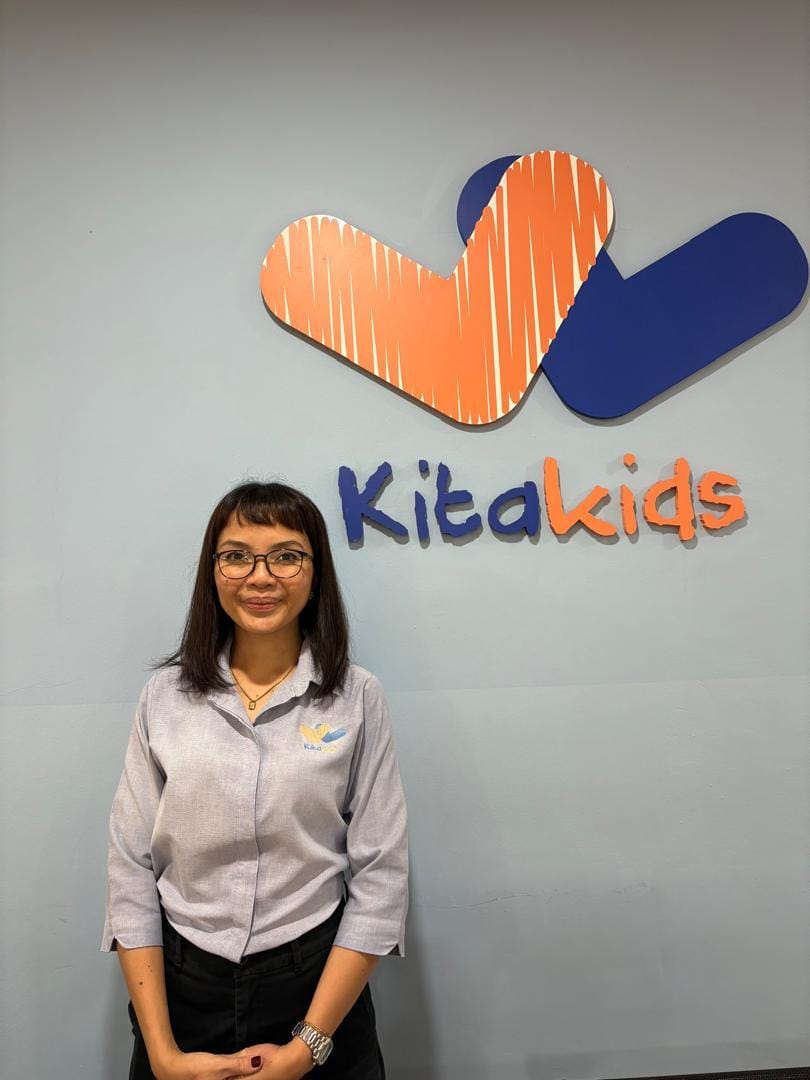
“We chose LittleLives because of its comprehensive features. Beyond billing, it supports daily operations, communication, and administrative processes, making it a holistic solution for managing our centres. Billing was previously one of the most time-consuming tasks. With automation, it is now significantly simplified and more accurate.” - Kitakids, Nurain (Head of Education)
Even during busy periods, the work now feels more organised. Communication with parents is faster and easier to follow. Updates are more consistent. Information doesn’t feel scattered anymore. From an admin’s point of view, that clarity makes the day-to-day work much more manageable.
What Feels Different Now
Looking back, the biggest difference is not just efficiency. It’s the sense of control. Before, things could feel reactive - responding to missing information, following up, double-checking. Now, the process feels more structured. We are still doing the same work - teaching, observing, supporting students – but with less friction in the background. And that makes a bigger difference than we expected.
Beyond internal operations, parents have felt the difference as well. We’ve received positive feedback about how much more convenient and structured the enrolment process is now. It’s easier for them to follow, clearer in terms of communication, and gives them more confidence as they go through this important decision for their child.
If we had to go back to the old way of managing enrolment and student information, it would feel difficult. Not because it was impossible, but because we now understand how much time and energy went into maintaining a system that wasn’t built to scale.
For schools that are still managing things manually, that experience might feel familiar. At a certain point, it’s no longer just about working harder. It’s about working in a way that can actually support your growth. We would encourage them to try LittleLives to experience a more efficient and streamlined way of managing operations.
Considering a more structured way to manage your school?
Kitakids’ experience reflects a common shift many growing schools go through: moving from manual processes to more connected, efficient systems.
At LittleLives, we support schools in simplifying their operations, so teachers and teams can spend less time on administrative work and more time focusing on students.
If you’re exploring ways to improve your enrolment and daily workflows, feel free to reach out at sales@littlelives.com for a conversation.