When Parents Walk Through Your Doors, They’re Carrying More Than Questions

Why feeling heard matters just as much as what you show during an open house
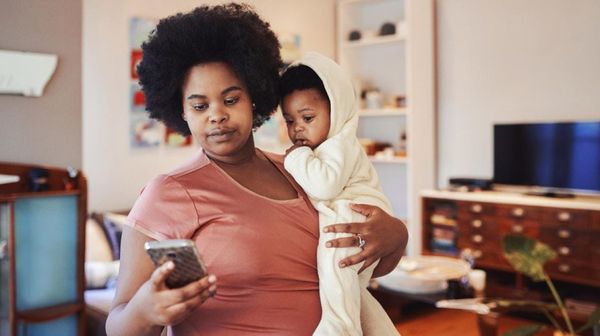
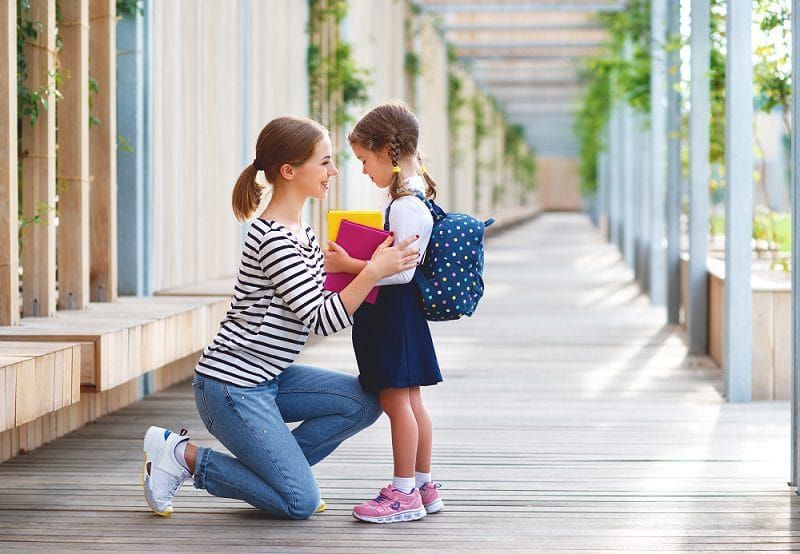
At LittleLives, one thing we’ve consistently observed is that enrolment is not just an operational process for parents - it’s an emotional one. On the surface, open houses and school tours are about exploring options. Parents walk in, look at classrooms, listen to introductions, and ask practical questions about curriculum, schedules, and fees. But underneath all of that, there is something else happening quietly. Many parents are trying to answer a much more personal question: “Will my child be okay here?”
The Quiet Anxiety Parents Don’t Always Say Out Loud
For families, especially those enrolling a child into a new environment for the first time, this decision carries a different kind of weight.
Some parents are worried about how their child will adapt.
Others are thinking about whether their child will feel safe, understood, or left behind.
Some are comparing multiple centres, trying to make the “right” decision, knowing it will shape their child’s early experiences.
These concerns don’t always come out clearly during an open house. Instead, they show up in smaller ways - a parent asking the same question twice, just phrased differently. A pause before committing to a trial. A message sent later that evening, asking for reassurance about something that seemed minor earlier. From the outside, it can look like hesitation. But often, it’s simply uncertainty that hasn’t been fully addressed yet.
Why “Providing Information” Isn’t Always Enough
Most schools and enrichment centres are already doing a lot during open houses.
They prepare materials. They walk parents through programmes. They answer questions carefully. They assign teachers and staff in a “buddy” system to ensure parents get the attention they require. But even with all of that, there is often a gap between what is shared and what parents truly feel.
Because feeling informed is not the same as feeling understood.
Parents may leave with all the right information, but still carry lingering doubts. And when that happens, the decision to enrol is often delayed, or quietly shifts elsewhere.
What It Means to Help Parents Feel Heard
From what we’ve seen, the difference often comes down to continuity.
It’s not just what happens during the open house, but what happens after. When parents have a way to revisit information, follow up easily, and feel that their concerns are being acknowledged beyond that initial interaction, something changes.
The relationship starts to feel more personal. The experience becomes less transactional. And trust begins to build more naturally.
This doesn’t require longer conversations or more manpower.
It requires a way to carry those interactions forward without losing context.
Where the Right Support Makes a Difference
This is one of the reasons we’ve been building our Open House platform at LittleLives.
While it helps schools manage registrations and scheduling, a big part of what we’re thinking about is how to support the parent experience around these moments.
When parents book an open house or trial, their interaction doesn’t end there.
They receive reminders, so they don’t feel like they might miss something important.
They can revisit details without needing to search through messages.
And when they follow up, their context is already there - not lost across different channels.
For schools, this means conversations don’t have to restart every time.
For parents, it means they don’t feel like just another enquiry.
We’ve noticed that what often influences parents isn’t just the big presentation or the facilities they see. It’s the smaller moments.
How easy it was to book that first visit. If the entire process was handled digitally. Whether they received timely reminders. How smoothly their questions were handled afterwards. Whether they felt remembered when they reached out again.
These moments are easy to overlook, but they shape how parents perceive the entire experience. And in many cases, they are what turn initial interest into real confidence.
Open houses are often treated as a starting point - a way to introduce the school. But from what we’ve seen, they are also the beginning of a relationship. And like any relationship, what matters is not just the first interaction, but how it continues to grow and build.
When parents feel heard, supported, and understood throughout that journey, decisions tend to follow more naturally.
If your team is already putting in the effort to create meaningful open house experiences, but still feels that some parents leave with unanswered concerns, it may be worth looking at how those interactions are carried beyond the event itself.
At LittleLives, we’re building our Open House platform with this in mind - not just to manage registrations, but to help schools create a more connected and reassuring experience for parents from the very first interaction.
If you’re exploring ways to improve how your centre engages and supports parents during enrolment, we’d be happy to share more.
Reach out to us at sales@littlelives.com with the subject line OPEN HOUSE - we’d love to understand how your team approaches this today.